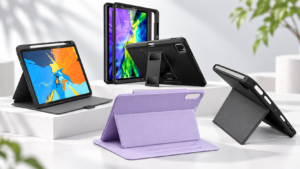
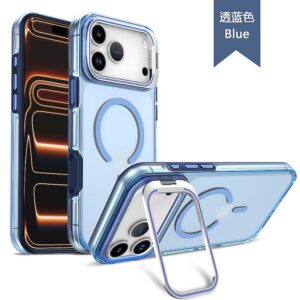
Finding a tablet case manufacturer in China is not particularly difficult. There are hundreds of suppliers offering iPad cases, protective covers and leather folios.
The harder part is finding a manufacturer who can take your design from an idea to a reliable, mass-produced product.
For tablet accessory brands, the choice of manufacturing partner affects much more than the unit price. It influences product development, structural performance, launch schedules and consistency across different production batches.
So what should a sourcing manager or product development team look for ?
1. Does the Manufacturer Have Its Own Tooling and Injection Molding Facilities?
Many tablet cases combine several materials and manufacturing processes.
A typical protective folio may include a PC back shell, TPU bumper, PU leather cover, magnetic components and a folding stand structure.
These components need to fit and function together.
When mold development, injection molding and assembly are handled by different suppliers, engineering changes can become more complicated.
For example, a small dimension adjustment to the plastic shell may affect how the leather cover fits or how the stand performs.
This is why in-house tooling and injection molding can be valuable.
At Sendtin, we operate our own mold manufacturing and injection molding facilities, allowing our engineering and production teams to work closely throughout product development.
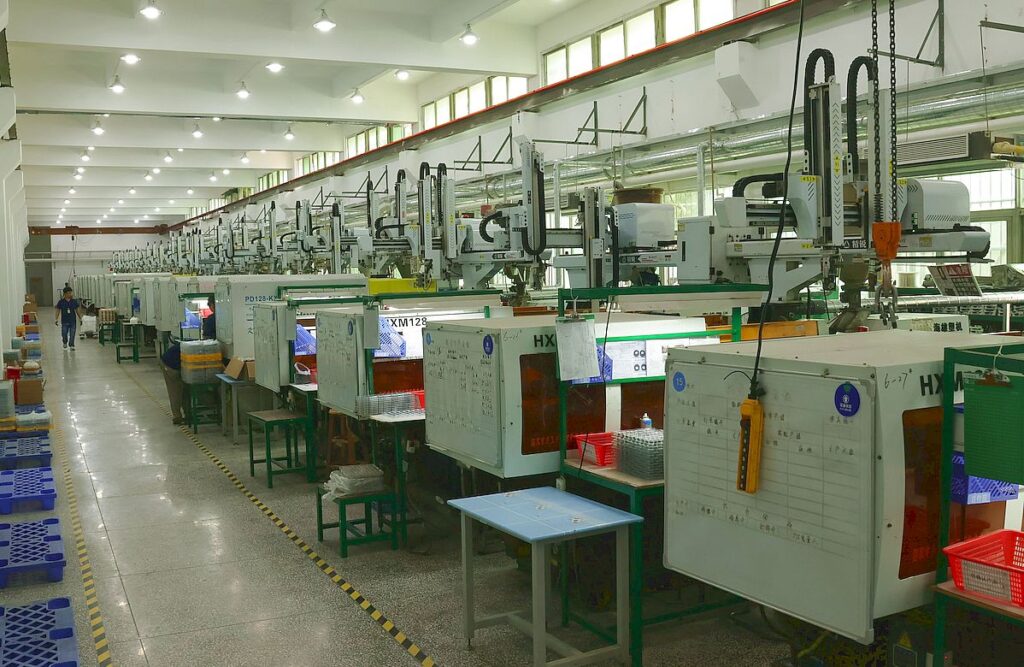
For buyers, the important question is not simply whether a supplier has injection machines.
It is whether the supplier can identify and resolve structural problems before mass production.
2. Can the Factory Manufacture Both Plastic and Leather Tablet Cases?
Tablet case brands often sell several product types within the same collection.
Some focus on rugged protective cases for education or commercial use. Others offer slim PU leather folios designed for everyday work and travel.
Manufacturing these products requires different capabilities.
Plastic protective cases rely heavily on tooling accuracy, material selection and injection molding.
Leather folio cases also involve cutting, lamination, heat pressing, wrapping, stitching and assembly.
A manufacturer with both plastic and leather production capabilities can help brands develop more consistent product collections.
At Sendtin, our integrated facilities include an injection molding workshop and a dedicated leather/PU workshop supporting leather-wrapped phone cases, tablet folios and other protective products.
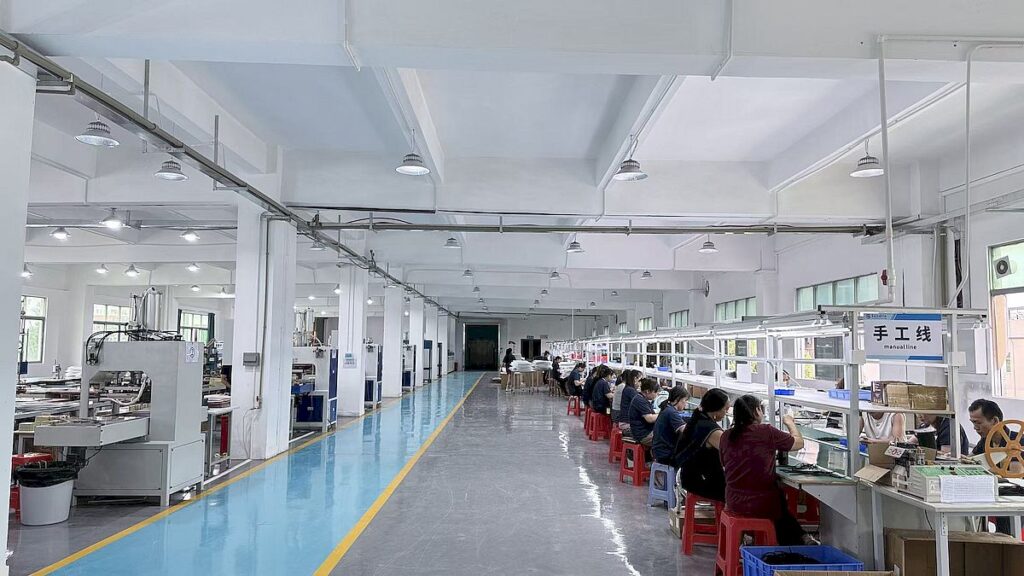
This integration is particularly useful when a design combines a rigid internal structure with a soft exterior finish.
For examples of different constructions and styles, you can explore our OEM/ODM tablet case collection, including protective cases, PU leather folios, magnetic covers and integrated stand designs.
3. How Does the Manufacturer Evaluate New Designs?
A good-looking 3D design does not always translate into a good finished product.
Consider a tablet case with an integrated stand.
The concept may look simple, but several engineering questions need to be answered:
- Can the stand support the tablet at the intended viewing angles?
- Will repeated folding affect its performance?
- Is the case too heavy for everyday use?
- Will the structure interfere with ports, buttons or other features?
- Can the product be manufactured consistently?
These questions should be discussed before tooling begins.
A Design for Manufacturing (DFM) review helps identify potential problems involving part thickness, material selection, mold construction, assembly and functional performance.
At Sendtin, our engineering team reviews customer designs and discusses possible improvements before proceeding with tooling.
The goal is not to change the original design unnecessarily. It is to make sure the design can work in real production.
4. What Testing Can the Manufacturer Perform?
Samples can look excellent in photographs.
But appearance alone cannot tell a buyer how the product will perform after months of use.
Different tablet case constructions require different validation methods.
Depending on the product, relevant evaluations may include:
- Drop and impact testing
- Material and dimensional checks
- High- and low-temperature testing
- Abrasion and colorfastness testing
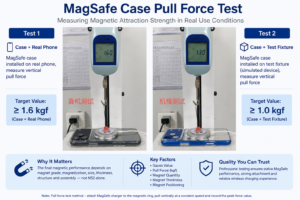
- Magnetic performance testing
- Stand and assembly durability testing
- Hinge lifetime Testing
For a leather folio, surface wear and folding performance may be important.
For a rugged tablet case, impact resistance and structural protection may be higher priorities.
Sendtin has an internal laboratory supporting product reliability and material testing. You can learn more about our manufacturing facilities and testing capabilities on our About Sendtin Case page.
Test plans are selected according to each project’s construction and requirements.
Before confirming a supplier, buyers should discuss which tests will be performed, what acceptance criteria will apply and how any failures will be addressed.
5. Can the Supplier Support Different Development Strategies?
Not every tablet accessory brand needs a completely new mold.
Some customers already have an industrial design and want a manufacturing partner to handle tooling and production.
Others prefer to start from an existing structure and customize the materials, colors, finishes or packaging.
These are different development strategies.
OEM development is suitable for brands that have defined product requirements or their own designs.
ODM solutions can be useful for brands seeking an existing product platform or a design that can be adapted to their market.
At Sendtin, we support both approaches.
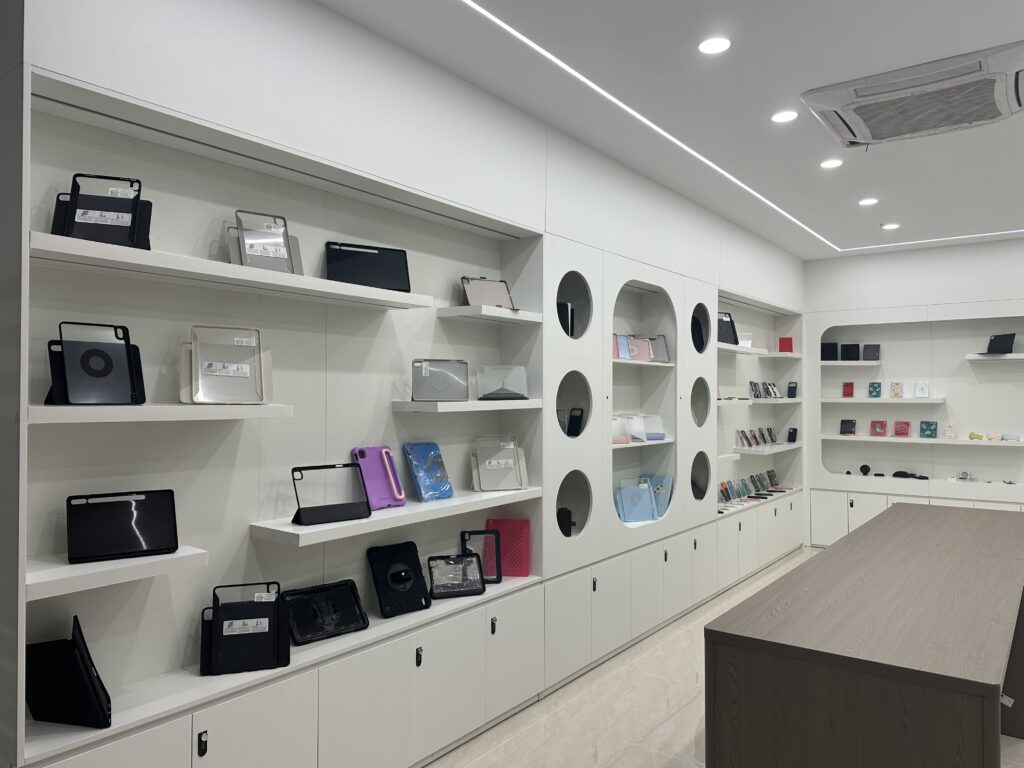
Our team can review new product concepts for custom development or discuss existing mold options when the project allows.
The right choice depends on the brand’s positioning, technical requirements, investment budget and launch schedule.
6. What Should You Ask Before Choosing a Tablet Case Factory?
Before committing to a new project, a sourcing team should ask the manufacturer several practical questions.
- Who will review the product’s 3D drawings?
- Are molds developed in-house or outsourced?
- Which manufacturing processes are controlled directly by the factory?
- How are structural changes handled after the first tooling trial?
- What reliability tests are available?
- How will approved samples be translated into consistent mass production?
- What information is needed to confirm the MOQ and production lead time?
Clear answers can reveal much more about a supplier’s capabilities than a long company introduction.
Final Thoughts: Look Beyond the Quotation
Price will always be an important part of sourcing tablet cases.
But the lowest quotation does not necessarily represent the lowest overall project cost.
Tooling adjustments, repeated sampling, assembly problems and inconsistent quality can all create additional expenses.
For brands developing custom iPad cases, leather folios or protective tablet covers, it is worth evaluating the complete manufacturing process.
At Sendtin Case, based in Huizhou, China, we bring together mold development, injection molding, leather/PU processing, assembly and product testing to support OEM and ODM protective case projects.
Our focus is helping brands turn product concepts into manufacturable designs and prepare them for consistent production.
Developing a New Tablet Case Collection?
Whether you have a completed 3D design, an early product concept or a reference sample, our team would be happy to review your requirements and discuss the manufacturing possibilities.
Contact Sendtin Case to discuss your next OEM/ODM tablet case project.